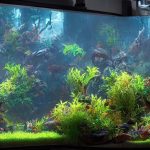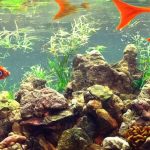

Fish tank media is an essential part of maintaining a healthy aquarium. It helps to keep the water clean and provides necessary nutrients for fish and other aquatic life. Without proper media, an aquarium can quickly become overrun with algae and bacteria, leading to unhealthy conditions for the inhabitants. Knowing what type of fish tank media to choose, how much to use, and how often it should be replaced are all important elements of successful aquarium keeping.

What is Fish Tank Media?
Fish Tank Media is an innovative multimedia experience designed to bring a modern twist to traditional aquariums. This virtual reality experience allows users to explore the wonders of the ocean without ever having to leave their living room. By combining cutting-edge technology with stunning visuals and captivating audio, Fish Tank Media transports people into the depths of the ocean while allowing them to interact with its inhabitants in vivid detail.
Users can select from a variety of habitats such as coral reefs, kelp forests, and even shipwrecks. Once chosen, they will be able to observe and learn about various species of fish, mammals, invertebrates, reptiles, and more – all in stunning high-definition quality! Through interactive touch controls and voice commands, users can explore these environments as if they were diving themselves – only without ever leaving home.
Types of Fish Tank Media
Fish tank media is an important component of any aquarium. It can help to keep your fish healthy by providing them with a safe and clean environment to live in. There are many different types of fish tank media available for use, each with its own unique benefits and drawbacks.
One popular type of fish tank media is gravel. Gravel provides the perfect substrate for plants and other decorations, as well as helps to maintain water chemistry.
Additionally, gravel can come in a variety of colors, shapes, and sizes to provide a beautiful aesthetic for your aquarium. Another popular option is ceramic rings or balls which act like miniature filters that help keep the water clean while also providing plenty of surface area for beneficial bacteria to thrive on.
Finally, activated carbon is an extremely effective way to filter out chemicals and toxins from the water column, making it much safer for your fish.
Types of Fish Suitable for Media
Fish tank media is an important part of keeping the water in a fish tank clean and healthy. There are several types of fish suitable for use with various types of media, depending on the size and needs of a particular aquarium.
Smaller fish species such as tetras, guppies, and mollies are generally suitable for any type of media. These species need plenty of water movement to keep them healthy, so it’s best to choose a medium that is designed to provide that movement while also filtering out debris and other unwanted particles.
Other larger species such as cichlids and Oscars may require more powerful filtration systems than the standard ones offered by most brands. It’s always a good idea to research what type of filter system works best for each individual species before making a purchase.
Purpose of Fish Tank Media
Fish tanks are becoming increasingly popular as a home decor piece and hobby. In order to keep these fish tanks clean and safe for the fish, aquarium media is essential. Fish tank media is any material placed in an aquarium that helps to filter water, reduce algae growth, and eliminate bacteria or toxins from the water.
The purpose of fish tank media is to create a healthy environment for fish in the aquarium by trapping particles and cleaning out toxins from the water. It also helps with oxygenation, maintaining pH levels, and controlling nitrate levels so that your aquarium can become a thriving ecosystem for your aquatic friends. Common examples of fish tank media include activated carbon filters, bio-wheels, foam pads, gravel beds, ceramic rings, and chemical treatments like phosphate removers.
Benefits of Using Fish Tank Media
Fish tank media is an important part of the aquarium filtration system, helping to keep the water clean and healthy for fish. Whether you are an experienced aquarist or a beginner, understanding the benefits of using fish tank media can help ensure your fish have the best environment possible.
Using fish tank media as part of your aquarium filtration system helps to regulate pH levels, remove solid waste and debris, and provide beneficial bacteria that help break down toxins in the water. This ensures that your fish have clean and safe water to live in. Fish tank media also helps filter out harmful chemicals such as nitrites and ammonia from the water which can be toxic to your pet fish.
Additionally, it reduces odors from decaying organic matter in the aquatic environment leaving it smelling fresh and clean.
Challenges with Different Types of Fish Tank Media
Fish tank media is an essential part of keeping a healthy fish tank. It plays a key role in maintaining the balance of the water, removing waste and toxins, and providing oxygen for the tank’s inhabitants. However, there are some challenges that come with different types of fish tank media.
Different types of fish tank media have their own set of benefits and drawbacks. Gravel can be difficult to clean due to its tendency to trap debris and bacteria over time. Sand may make more work when it comes to water changes as it needs frequent siphoning due to compaction issues.
Ceramic rings are great at trapping particles but they can get clogged easily if not monitored regularly. Live rock is an excellent biological filter but it can be expensive depending on the type you choose.
Fish Tank Maintenance Requirements
Fish tank maintenance is essential to ensure the health and well-being of your fish. Properly maintaining your tank will help keep the water clean, free from toxins, and free of debris that can cause harm to your aquatic life. To achieve this, there are certain requirements for a healthy fish tank environment.
The first step in maintaining a healthy fish tank is selecting the correct type of media for the aquarium. This includes gravel or sand as well as decorations such as plants, driftwood, and rocks which provide natural hiding spaces for fish to explore. It is important to select materials that are compatible with your particular species, and they should also be easy to clean and won’t leach chemicals into the water.
Additionally, when cleaning out the aquarium it is important not to disturb or damage any of these decorations as they provide essential habitat for many types of aquatic species.
Fish Tank Filtration System Considerations with Media
When setting up a fish tank filtration system, media plays a crucial role in ensuring that the tank environment is clean and healthy for aquatic life. Media refers to materials used in the filter to trap particles in the water that could potentially be harmful to your fish. It is important to consider which type of media will be most beneficial when selecting equipment.
There are several varieties of filter media available on the market today, such as sponges, activated carbon, ceramic rings, and bio-balls. Each of these products has different uses and benefits depending on what type of aquarium you have set up. For example, sponges are useful for trapping larger debris while activated carbon can help with chemical filtration and odor control.
Conclusion: Why Use Fish Tank Media?
Fish tank media has become an increasingly popular way to keep aquariums healthy and provide nutrition for different species of fish. With careful consideration and research, selecting the right type of fish tank media can help make sure that your aquarium remains in optimal condition while providing adequate nutrition for the fish that inhabit it. This article has provided an overview of what fish tank media is, the types available, and how it works.
In conclusion, using a combination of various types of fish tank media can be beneficial for any aquarium environment. The variety helps maintain stability by providing oxygenation and filtration for water chemistry as well as creating a natural habitat for aquatic life.
Additionally, certain types of media can also help eliminate ammonia levels in tanks which reduces stress on the inhabitants and keeps them healthy with proper nutrient absorption from their food sources.