
Are you considering setting up a small fish tank, but unsure of where to start? Look no further than this fishkeeping checklist for a 1.7-gallon aquarium. While it may seem like a tiny space, with the right care and attention, it can be the perfect home for certain species of fish and plants.
Before diving in (pun intended), it’s important to note that not all types of fish will thrive in such a small tank. It’s recommended to stick with smaller, peaceful fish such as bettas or guppies. There are also plants and substrates to be considered. That will help maintain a healthy environment for your aquatic pets. And we’ll also discuss where you can place your tank!
Recommended Fish For a 1.7-Gallon Tank
These fish to keep in a 1.7 Gal should be small, peaceful, and hardy. Here are our recommended pieces:
Neon Tetra
Size: 1-2 inches; Temperature: 72-78 degrees Fahrenheit; pH: 6.0-7.0

Endler’s Livebearer
Size: 1-1.5 inches; Temperature: 72-78 degrees Fahrenheit; pH: 6.8-7.8
Guppy
Size: 1-2 inches; Temperature: 72-78 degrees Fahrenheit; pH: 6.8-7.8
White Cloud Mountain Minnow
Size: 1-2 inches; Temperature: 68-72 degrees Fahrenheit; pH: 6.0-7.0
The White Cloud Mountain Minnow, also known as the Chinese Danio or simply White Clouds. It is a popular freshwater aquarium fish that has been loved by hobbyists for over a century. This small and peaceful fish is native to China’s Guangdong province. And it was first discovered in 1932 by a Chinese man named Tan. Since then, it has been bred in captivity and exported to countries all around the world.
Despite its popularity, the White Cloud Mountain Minnow was nearly extinct in the wild. Due to habitat loss and pollution. However, recent conservation efforts have helped to restore its population in its native waters.
Note: just a few of the many fish that can be kept in a 1.7-gallon tank. It is always best to do your research. And choose fish that are compatible with each other. With good taking care, they will thrive in the conditions that you can provide.
Tips for Choosing Fish for 1.7-Gallon Tank
The top 3 rules are:
- Choose fish that are the same size. This will help to prevent aggression and territorial disputes.
- Choose fish that have similar temperature and pH requirements. This will help to keep your tank stable and healthy.
- Choose fish that are compatible with each other. Some fish are more aggressive than others, and it is important to choose fish that will get along.
Other tips:
- Choose fish that are small and do not require a lot of space.
- Choose fish that have similar water quality requirements.
- Avoid choosing fish that are aggressive or territorial.
- Do not overstock the tank.
Recommended Plants for 1.7-Gallon Tank
Here are some recommended plants for a 1.7-gallon fish tank:
Anubias nana:

Anubias nana, also known as the dwarf anubias, is a small and popular aquatic plant in the aquarium hobby. Native to West Africa, this plant belongs to the family Araceae. And it is highly valued for its hardiness, ease of care, and attractive appearance. Anubias nana has become a favorite among aquarists. People love its low-maintenance nature and ability to thrive in various water environments.
This species of Anubias is characterized by its dark green leaves. That grows up to 5 cm long. It is a slow-growing plant that can adapt well to low-light conditions. It is an ideal choice for beginners or those looking for a hassle-free addition to their aquariums.
Java fern:

Java fern is a popular aquatic plant that belongs to the Polypodiaceae family. This plant is native to Southeast Asia. And it can be found in many freshwater habitats. Such as rivers, lakes, and swamps. It is a popular choice among aquarium enthusiasts. This is due to its hardiness and ease of care.
Java fern is a relatively easy plant to maintain due to its slow growth rate and tolerance for low light conditions. This makes it an ideal choice for beginners who are just starting out with their aquarium hobby. Additionally, Java ferns are very adaptable plants. They can thrive in a variety of water parameters. They are suitable for different types of aquarium setups.
Hornwort:

Hornwort is a versatile aquatic plant that has been gaining popularity in recent years. They are preferred among aquarium hobbyists and pond owners alike. Also known by its scientific name, Ceratophyllum demersum, hornwort is native to various regions throughout the world. It’s including North America, South America, Europe, Asia, and Africa. It can be found growing in slow-moving streams, ponds, lakes, and other bodies of freshwater.
One of the most remarkable features of hornwort is its ability to grow at an incredible speed – up to several inches per day in optimal conditions. This rapid growth rate is excellent. People are looking to add some greenery to their aquariums or pond with honwort. They don’t have to wait months or even years for it to establish itself.
Amazon sword:

Amazon sword is a popular aquatic plant in the family Alismataceae. It’s native to Central and South America. It is widely cultivated as an ornamental plant in aquariums. This is due to its attractive appearance, ease of care, and ability to thrive in various water conditions. The Amazon sword plant is also known by many other names. Such as Echinodorus amazonicus, Brazilian sword, and Rosette sword.
The Amazon sword can grow up to 20 inches tall with leaves. They can reach up to 16 inches long. Its leaves are dark green and elongated with a pointed tip. They are the perfect background plant for any aquarium.
Water wisteria:

Water wisteria, also known as Hygrophila difformis. It is a popular aquatic plant among aquarium enthusiasts. Originally from India. this versatile plant has become a staple in freshwater tanks around the world. This is due to its ease of care and attractive appearance.
Water wisteria add aesthetic value to aquariums with its delicate leaves and vibrant green coloration. And it also serves practical purposes. Such as oxygenating the water and providing shelter for fish. Water wisteria is a beautiful and easy-to-care-for plant that can add a lot to your aquarium. With proper care, it will thrive and provide a home for beneficial bacteria and a place for your fish to hide and play.
When choosing plants for a small tank, it is important to consider:
- the size of the plants,
- their light requirements,
- and their maintenance needs.
It is also important to choose plants that are compatible with the type of fish that you will be keeping in the tank.
Here are some additional tips for keeping plants in a small tank:
- Use a high-quality substrate that is designed for planted tanks.
- Provide adequate lighting.
- Fertilize the plants regularly.
- Remove any dead or dying leaves.
- Monitor the water quality and make adjustments as needed.
With proper care, your plants will thrive in your small tank and provide a beautiful and healthy environment for your fish.
Recommended Substrates for a 1.7 Gal Fish Tank
Here are some recommended substrates for a 1.7-gallon fish tank:
Seachem Flourite:
 Seachem Flourite is a nutrient-rich clay gravel. It is popular among aquarium enthusiasts for its ability to promote plant growth and enhance the aesthetics of an aquarium. It comes in various colors to suit your preferences.
Eco Complete:
 Eco Complete is a good substrate for aquariums. Because it is made from natural materials and contains nutrients and beneficial bacteria. That helps plants and fish thrive.
Here are some additional benefits of using Eco Complete substrate:
- It is inert, meaning it will not affect the pH of the water.
- It is durable and will not break down over time.
- It is affordable and easy to find.
Black Diamond Sand:
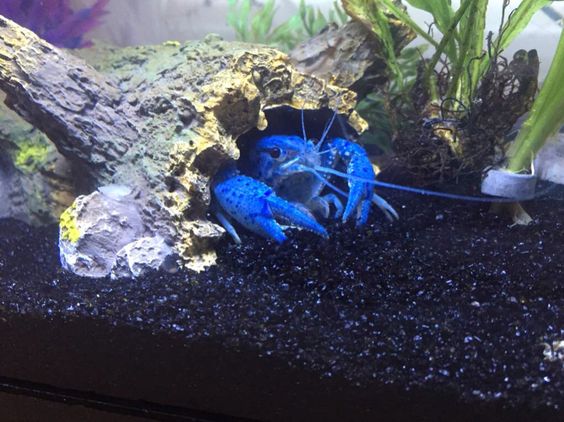
Black Diamond Sand is a type of aquarium substrate made from coal slag. It is affordable and creates a natural-looking environment. It also supports beneficial bacteria growth, which helps keep the water clean and healthy for fish. Additionally, its dark color provides good contrast against bright-colored fish, plants, and decorations.
Here are some additional benefits of using Black Diamond Sand as substrate:
- It is inert, meaning it will not affect the pH of the water.
- It is durable and will not break down over time.
- It is easy to clean and maintain.
JBL Manado:
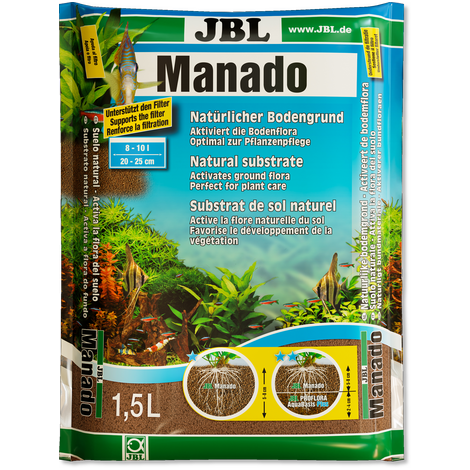
Resources: JBL.DE
JBL Manado is a popular substrate for planted aquariums. It is made from volcanic soil and has a porous structure that allows it to absorb and release nutrients in the water column. It also provides an ideal environment for beneficial bacteria to thrive.
Here are some of the advantages of using JBL Manado substrate:
- It is lightweight and does not require rinsing before use.
- It has a natural appearance that adds a beautiful touch to any aquatic setup.
- It provides a good environment for plant growth.
- It helps maintain a healthy aquarium ecosystem.
Here are some tips for setting up an aquarium with JBL Manado substrate:
- Rinse the substrate thoroughly before adding it to your tank.
- Add a layer of gravel to the bottom of your tank before adding the Manado. This will help to prevent the Manado from clouding the water.
- Plant your plants in the Manado and provide them with adequate light and fertilizer.
- Monitor the water quality and make adjustments as needed.
Recommended Spots to Place Your 1.7 Gal:
When choosing a spot for your tank, it is also important to consider the size of the tank and the amount of space you have available. You will also need to make sure that there is a power outlet nearby so that you can plug in the tank’s filter and light.
Here are some specific spots that you may want to consider:
On a table or shelf:
This is a good option if you have limited space. Make sure that the table or shelf is sturdy enough to support the weight of the tank and its contents.

On a stand:
This is a good option if you have more space. A stand will help to keep the tank off the floor and prevent it from being knocked over.

In a corner:
This is a good option if you want to hide the tank. Make sure that the corner is well-lit and that there is enough space for the tank’s filter and light.

On a windowsill:
This is a good option if you want to enjoy the natural light. However, make sure that the windowsill is not in direct sunlight.

No matter where you choose to place your tank, it is important to make sure that it is stable and secure. You should also avoid placing your tank in a spot that is too hot or too cold.
Tips for Where to Place Your Fish Tank
- In a well-lit area: Fish need light to survive, so it is important to place your tank in a well-lit area. However, avoid placing your tank in direct sunlight, as this can heat up the water and stress your fish.
- Away from direct sunlight: As mentioned above, direct sunlight can heat up the water in your tank and stress your fish. It is best to place your tank in a spot that receives indirect sunlight.
- Away from drafts: Drafts can also stress your fish, so it is important to place your tank in a spot that is protected from drafts.
- Away from noise: Fish are sensitive to noise, so it is best to place your tank in a spot that is relatively quiet.
- Out of reach of children and pets: Fish tanks can be dangerous for children and pets, so it is important to place your tank in a spot that is out of reach.
What More You Can Do
Here are some additional tips for keeping fish in a 1.7-gallon tank:
- Choose the right filter. A good filter is essential for keeping the water in your tank clean and healthy.
- Change the water regularly. The water in your tank should be changed at least once a week.
- Feed your fish the right amount of food. Overfeeding can lead to water quality problems.
- Add plants to your tank. Plants help to filter the water and provide hiding places for your fish.
- Monitor your fish’s health. Keep an eye out for signs of illness, such as loss of color, lethargy, or fin rot.
By following these tips, you can help to ensure that your fish stay healthy and happy in their 1.7-gallon tank.